APIs (Application Programming Interfaces) are the backbone of modern digital applications. They connect websites, mobile apps, cloud platforms, payment gateways, SaaS products, and third-party services. While APIs make software development faster and more flexible, they also introduce security risks that developers cannot afford to ignore.
A poorly secured API can expose sensitive customer information, allow unauthorized access, disrupt business operations, or create opportunities for attackers to compromise an entire application.
This is where the OWASP Top 10 API becomes important.
The OWASP API Security Top 10 is a widely recognized security awareness guide that identifies the most critical API security risks. It helps developers, security engineers, and organizations understand common vulnerabilities and implement appropriate security controls.
In this guide, we will explain all ten OWASP API security risks in simple language, provide practical examples, and discuss how developers can protect their applications through secure coding, vulnerability testing, and continuous security monitoring.
If you manage websites, SaaS applications, or business infrastructure, understanding these risks is an important step toward building a more secure digital environment.
What Is the OWASP Top 10 API?
The OWASP API Security Top 10 is a security framework published by the Open Worldwide Application Security Project (OWASP).
It identifies ten major security risks associated with Application Programming Interfaces and provides guidance for understanding and reducing those risks.
The latest published edition covered in this guide is the OWASP API Security Top 10 – 2023.
Unlike traditional website vulnerabilities, API security issues often involve unauthorized data access, authentication weaknesses, excessive resource consumption, and insecure communication between different applications.
For example, imagine a SaaS platform where customers can access their invoices through an API. If the API does not properly verify user permissions, one customer might access another customer's invoices simply by changing an ID in the request.
This is an example of Broken Object Level Authorization (BOLA).
OWASP helps developers identify these weaknesses before attackers exploit them.
Official resource: https://owasp.org/www-project-api-security/
Why Is API Security Important for Developers?
APIs frequently handle sensitive information and important business operations. A security weakness in one API endpoint can potentially affect an entire application.
Consider the following scenarios:
- A hacker accesses another user's private account information.
- An attacker steals authentication tokens and impersonates legitimate users.
- Automated bots abuse payment or registration endpoints.
- An exposed API reveals confidential business information.
- An outdated API endpoint provides unauthorized access to internal systems.
- A vulnerable third-party API introduces security risks into your application.
These incidents can result in financial losses, customer distrust, regulatory problems, and business disruption.
Developers should consider API security throughout the software development lifecycle rather than treating it as a final testing step.
OWASP API Security Top 10: Complete List (2023)
Here is a quick overview of all ten API security risks identified by OWASP.
| No. | OWASP Category | Main Security Risk |
|---|---|---|
| API1 | Broken Object Level Authorization | Unauthorized access to other users' data |
| API2 | Broken Authentication | Weak authentication and compromised identities |
| API3 | Broken Object Property Level Authorization | Unauthorized access to sensitive data fields |
| API4 | Unrestricted Resource Consumption | Excessive requests and resource abuse |
| API5 | Broken Function Level Authorization | Unauthorized access to restricted functions |
| API6 | Unrestricted Access to Sensitive Business Flows | Automated abuse of important business operations |
| API7 | Server Side Request Forgery (SSRF) | Unauthorized server-side requests |
| API8 | Security Misconfiguration | Insecure application or infrastructure settings |
| API9 | Improper Inventory Management | Unknown, outdated, or undocumented APIs |
| API10 | Unsafe Consumption of APIs | Trusting insecure third-party API responses |
Let's understand each vulnerability with practical examples and prevention techniques.
1. API1:2023 – Broken Object Level Authorization (BOLA)
Broken Object Level Authorization occurs when an API does not properly verify whether a user has permission to access a particular object or resource.
This is one of the most important API security risks because attackers can manipulate object identifiers to access information belonging to other users.
Practical Example
Imagine an online shopping application with the following API endpoint:
GET /api/orders/1001
A customer can access their order using order ID 1001.
However, if the API does not verify ownership, the customer might change the ID:
GET /api/orders/1002
If the application returns another customer's order, it has a BOLA vulnerability.
How Developers Can Prevent BOLA
- Verify resource ownership on every request.
- Implement server-side authorization checks.
- Never rely only on frontend permissions.
- Use secure object-level access control.
- Test API endpoints using multiple user accounts.
- Avoid exposing sensitive information through predictable identifiers.
Developer Tip: Authentication confirms who a user is. Authorization determines what that user is allowed to access. Both are necessary.
2. API2:2023 – Broken Authentication
Broken Authentication occurs when an API has weaknesses in its authentication process, allowing attackers to compromise user identities or access accounts without proper authorization.
Authentication problems can arise from weak passwords, insecure tokens, poorly implemented login systems, or inadequate session management.
Practical Example
A developer creates a login API that accepts unlimited password attempts.
An attacker can repeatedly submit different passwords until the correct credentials are discovered.
Another example is an API that accepts expired or improperly validated authentication tokens.
How Developers Can Prevent Broken Authentication
- Implement multi-factor authentication (MFA) where appropriate.
- Use secure token management.
- Apply rate limiting to login endpoints.
- Enforce strong password policies.
- Validate token expiration and signatures.
- Protect authentication credentials during transmission.
- Monitor suspicious login attempts.
Developer Tip: Never assume that receiving a token means the request is automatically trustworthy. Validate its authenticity, expiration, and permissions.
3. API3:2023 – Broken Object Property Level Authorization
This vulnerability occurs when an API exposes or allows modification of object properties that a user should not be able to access.
It combines issues previously known as Excessive Data Exposure and Mass Assignment.
Practical Example
Imagine a user profile API that returns:
GET /api/users/25
The response includes:
- Username
- Email address
- Phone number
- Account balance
- Internal account status
- Administrative permissions
A regular customer should not be able to access or modify sensitive properties such as account balance or administrative permissions.
If the API exposes these fields without proper authorization, attackers may gain access to confidential information or manipulate important account settings.
How Developers Can Prevent This Vulnerability
- Return only the properties required by the application.
- Use explicit response schemas.
- Validate every field received from users.
- Restrict modification of sensitive properties.
- Apply property-level authorization.
- Avoid automatic binding of user input to internal database models.
Developer Tip: Do not expose your entire database object through an API response. Design responses around the minimum information the user actually needs.
4. API4:2023 – Unrestricted Resource Consumption
APIs require server resources such as processing power, memory, storage, and network bandwidth.
Unrestricted Resource Consumption occurs when an API does not properly limit resource usage.
Attackers can exploit this weakness by sending excessive requests or triggering expensive operations repeatedly.
Practical Example
Imagine an application that allows users to generate PDF reports through an API.
If there are no request limits, an attacker could automate thousands of report-generation requests.
This may overload the server, increase cloud infrastructure costs, or make the application unavailable to legitimate users.
How Developers Can Prevent Resource Consumption Attacks
- Implement API rate limiting.
- Set request size restrictions.
- Apply pagination to large data requests.
- Configure request timeouts.
- Limit expensive operations.
- Monitor CPU, memory, and network consumption.
- Introduce quotas for resource-intensive endpoints.
Developer Tip: Every API endpoint should have reasonable resource limits, especially endpoints that trigger expensive processing.
5. API5:2023 – Broken Function Level Authorization
Broken Function Level Authorization occurs when an application fails to properly restrict access to certain functions based on user roles and permissions.
In simple terms, a regular user may gain access to administrative functionality.
Practical Example
Consider an application with two types of users:
- Regular customer
- Administrator
The application provides an administrative endpoint:
DELETE /api/admin/users/25
If a regular customer can access this endpoint, the application has a serious authorization problem.
Even if the user cannot see the administrator dashboard, the backend might still allow direct API requests.
How Developers Can Prevent This Vulnerability
- Implement role-based access control (RBAC).
- Verify permissions on the server.
- Restrict administrative endpoints.
- Apply authorization checks to every sensitive function.
- Test endpoints using different user roles.
- Never depend on hidden frontend buttons for security.
Developer Tip: Every sensitive function should independently verify whether the requesting user has the required permission.
6. API6:2023 – Unrestricted Access to Sensitive Business Flows
This vulnerability focuses on automated abuse of legitimate business functionality.
An API may work exactly as developers intended, but attackers can still exploit it by automating certain activities at a scale that damages the business.
Practical Example
An e-commerce website allows customers to purchase limited-edition products.
Attackers create automated bots that send thousands of purchase requests to reserve all available stock.
Other examples include:
- Fake account creation.
- Ticket scalping.
- Automated promotional code abuse.
- Fake reviews.
- Excessive free-trial registrations.
These attacks do not always involve traditional coding vulnerabilities. Sometimes, the weakness is in how a business process is designed.
How Developers Can Prevent This Vulnerability
- Identify sensitive business operations.
- Implement anti-automation controls.
- Apply transaction limits.
- Use bot detection mechanisms.
- Monitor unusual purchasing patterns.
- Introduce additional verification for high-risk activities.
- Establish appropriate business-level rate limits.
Developer Tip: API security is not only about protecting code. Developers must also understand how attackers can abuse legitimate application functionality.
7. API7:2023 – Server Side Request Forgery (SSRF)
Server Side Request Forgery occurs when an application makes server-side requests to external resources without properly validating the requested destination.
An attacker may manipulate an API into sending requests to internal systems or restricted network resources.
Practical Example
Imagine a website that allows users to submit a URL to generate a preview.
The backend receives the submitted URL and attempts to retrieve its content.
If the application does not validate the destination, an attacker might submit a URL pointing to an internal server instead of a legitimate external website.
This could expose sensitive internal services or infrastructure information.
How Developers Can Prevent SSRF
- Validate user-submitted URLs.
- Use domain allowlists where appropriate.
- Block access to private and internal IP ranges.
- Restrict outbound network connections.
- Disable unnecessary URL schemes.
- Validate DNS resolution and redirects.
- Separate application services from sensitive internal infrastructure.
Developer Tip: Never assume that a URL supplied by a user is safe simply because your server is making the request.
8. API8:2023 – Security Misconfiguration
Security Misconfiguration occurs when APIs, servers, databases, cloud infrastructure, or supporting services are configured insecurely.
These issues often result from default settings, unnecessary services, missing security headers, or incorrect access permissions.
Practical Example
A developer deploys an API to production but accidentally leaves debugging enabled.
The API reveals detailed error messages containing internal application paths, database information, or configuration details.
Another example is a cloud storage service that allows public access to confidential files.
How Developers Can Prevent Security Misconfiguration
- Disable unnecessary debugging features.
- Remove default credentials.
- Configure secure HTTP headers.
- Restrict CORS permissions.
- Secure cloud storage.
- Apply least-privilege access policies.
- Keep frameworks and dependencies updated.
- Review production configurations regularly.
Developer Tip: Secure configuration should be part of deployment and infrastructure management, not just application development.
9. API9:2023 – Improper Inventory Management
Improper Inventory Management occurs when organizations fail to maintain an accurate record of their API endpoints, versions, hosts, and environments.
Many companies develop multiple API versions over time. Some endpoints become outdated but remain accessible.
These forgotten endpoints can become security weaknesses.
Practical Example
A company launches a new application and replaces its old API:
/api/v1/users/api/v2/users
The development team stops maintaining version 1 but forgets to disable it.
The old API may still contain vulnerabilities or expose information that the newer version protects.
Attackers can discover and target these forgotten endpoints.
How Developers Can Prevent Improper Inventory Management
- Maintain an updated API inventory.
- Document all API endpoints.
- Track API versions and environments.
- Remove deprecated endpoints.
- Identify exposed development and testing APIs.
- Monitor changes in publicly accessible services.
- Review API documentation regularly.
Developer Tip: You cannot protect an API endpoint if your organization does not know it exists.
10. API10:2023 – Unsafe Consumption of APIs
Modern applications depend on external APIs for payments, authentication, shipping, analytics, cloud services, and many other functions.
Unsafe Consumption of APIs occurs when developers trust external API responses without applying sufficient validation and security controls.
Practical Example
An application integrates with a third-party shipping API.
The developer assumes that every response from the provider is trustworthy and directly uses the returned data.
If the third-party service is compromised or returns unexpected information, the application may process malicious or manipulated data.
How Developers Can Prevent Unsafe API Consumption
- Validate third-party API responses.
- Use secure communication channels.
- Verify response formats and expected data types.
- Implement timeouts and error handling.
- Avoid trusting external data by default.
- Monitor third-party API integrations.
- Keep API dependencies updated.
Developer Tip: Treat data from external APIs with the same security caution as data submitted by an untrusted user.
OWASP API Security Top 10: Prevention Comparison Table
The following table summarizes the main security controls developers should prioritize.
| OWASP Risk | Recommended Security Control | Testing Priority |
|---|---|---|
| BOLA | Object-level authorization | High |
| Broken Authentication | MFA, token validation, rate limiting | High |
| Property Level Authorization | Data validation and field-level permissions | High |
| Resource Consumption | Rate limiting and resource quotas | High |
| Function Level Authorization | RBAC and server-side permissions | High |
| Sensitive Business Flows | Bot detection and business-level controls | High |
| SSRF | URL validation and network restrictions | High |
| Security Misconfiguration | Secure configuration reviews | High |
| Inventory Management | API discovery and version tracking | High |
| Unsafe API Consumption | Third-party response validation | High |
These controls should be implemented according to the application's architecture, risk exposure, and business requirements.
API Security Best Practices Every Developer Should Follow
Understanding the OWASP API Security Top 10 is only the first step. Developers must also establish a consistent security process throughout application development and maintenance.
Here are some important practices.
1. Implement Strong Authentication and Authorization
Use secure authentication mechanisms and verify user permissions for every sensitive API request.
2. Use HTTPS for API Communication
HTTPS protects data transmitted between clients and servers against interception and tampering.
3. Apply Rate Limiting
Control the number of requests clients can send within a specific period to reduce abuse and resource exhaustion.
4. Validate All Input and Output Data
Validate user input, API parameters, and third-party responses before processing them.
5. Keep API Documentation Updated
Maintain accurate documentation of API endpoints, versions, authentication requirements, and permissions.
6. Perform Regular API Security Testing
Test your APIs during development and after significant application updates. Combine automated security testing with manual authorization and business-logic testing.
7. Monitor Suspicious Activity
Review unusual traffic patterns, repeated failed login attempts, unexpected requests, and suspicious access behavior.
8. Maintain Continuous Security Monitoring
Security does not end when an application goes live. New vulnerabilities, exposed services, configuration changes, and suspicious activities can appear at any time.
Continuous monitoring helps organizations maintain visibility into their digital security environment.
API Security Testing vs Continuous Security Monitoring
Many organizations confuse security testing with continuous monitoring. Both are important, but they serve different purposes.
| Feature | API Security Testing | Continuous Security Monitoring |
|---|---|---|
| Main Purpose | Identify API vulnerabilities | Maintain ongoing security visibility |
| When It Happens | During scheduled tests or development | Continuously or around the clock |
| Primary Focus | API endpoints and application weaknesses | Changes, exposure, suspicious activity and security signals |
| Vulnerability Identification | Yes, through appropriate testing | Depends on monitoring capabilities |
| Suspicious Activity Monitoring | Depends on the testing setup | Yes, when supported |
| Configuration Visibility | During assessment | Ongoing, when supported |
| Best Use | Finding weaknesses before exploitation | Detecting and tracking security issues over time |
Important: Continuous monitoring does not replace penetration testing, secure coding, or dedicated API security testing. A strong security strategy combines these approaches.
How Sentinal Helps Businesses Maintain Continuous Security Visibility
Building a secure application requires more than fixing vulnerabilities during development. Businesses also need visibility into their websites, domains, infrastructure, and potential security risks after deployment.
This is where Sentinal – Your AI Security Employee can become part of your security strategy.
Sentinal is a 24/7 cybersecurity monitoring tool designed to help businesses maintain awareness of their digital security environment without requiring a full-time security team.
Instead of relying entirely on occasional manual checks, businesses can use continuous monitoring to keep track of important security signals.
Key Security Areas to Monitor
| Security Area | Why It Matters |
|---|---|
| Website Security | Helps identify potential website security issues |
| Domain Monitoring | Provides visibility into domain-related security changes |
| SSL Monitoring | Helps track SSL certificate status and potential issues |
| Exposed Services | Helps identify services that may be publicly exposed |
| Vulnerability Monitoring | Supports awareness of potential security weaknesses |
| Email Security | Helps businesses monitor important email security risks |
| Leaked Credentials | Helps identify potential exposure of compromised credentials |
| Suspicious Logins | Supports visibility into unusual login activity |
| Third-Party Applications | Helps monitor security risks associated with external integrations |
| AI Tool Usage | Helps organizations maintain awareness of employee use of AI tools |
The availability and detection scope of each monitoring capability depend on the configured Sentinal modules.
Why Businesses Need 24/7 Security Monitoring
Cybersecurity threats do not follow business hours.
A suspicious login can happen overnight. An exposed service can remain unnoticed over a weekend. A security configuration can change without immediate attention from the development team.
Continuous security monitoring helps businesses:
- Maintain visibility into their digital assets.
- Identify potential security issues earlier.
- Track important security changes.
- Improve awareness of suspicious activity.
- Reduce dependence on occasional manual checks.
- Support a more proactive cybersecurity strategy.
For startups, SaaS companies, and growing businesses, this can be particularly valuable when a dedicated security operations team is not available.
Protect Your Digital Business with Sentinal
Whether you manage a business website, SaaS platform, or multiple digital assets, maintaining security visibility is essential.
Sentinal helps businesses take a more proactive approach to cybersecurity through 24/7 monitoring.
Explore Sentinal and learn how continuous security monitoring can support your cybersecurity strategy.
Visit: https://aicybersecuritytool.com/
OWASP API Security Checklist for Developers
Before deploying an API to production, use this practical checklist to review important security controls.
- Verify object-level authorization for every sensitive resource.
- Implement secure authentication and token validation.
- Restrict access to sensitive object properties.
- Configure rate limiting and resource quotas.
- Enforce role-based function permissions.
- Protect sensitive business operations against automation abuse.
- Validate URLs to prevent SSRF vulnerabilities.
- Review application and infrastructure configurations.
- Maintain an updated API inventory.
- Validate responses from third-party APIs.
- Perform regular security testing.
- Monitor suspicious activity and security changes.
- Review exposed services and digital assets regularly.
A secure API requires consistent testing, maintenance, and monitoring rather than a one-time security review.
Final Thoughts
The OWASP Top 10 API provides developers with a practical starting point for understanding the most critical API security risks.
From Broken Object Level Authorization and Broken Authentication to SSRF and Unsafe Consumption of APIs, every category highlights weaknesses that can affect application security, customer privacy, and business operations.
Developers should follow secure coding practices, implement appropriate access controls, validate application data, and test APIs regularly.
However, cybersecurity does not stop after deployment. Organizations must also maintain visibility into their digital assets, monitor suspicious activity, and respond to potential security issues.
With a combination of secure development, regular security testing, and continuous monitoring, businesses can build a stronger security foundation.
Want better visibility into your business's cybersecurity?
Explore Sentinal – Your AI Security Employee and take a proactive approach to monitoring your digital environment.
Visit https://aicybersecuritytool.com/ to learn more.
Frequently Asked Questions (FAQs)
1. What is the OWASP Top 10 API?
The OWASP API Security Top 10 is a security awareness document that identifies ten major API security risks. It helps developers and organizations understand common API vulnerabilities and implement appropriate security controls.
2. What is the latest OWASP API Security Top 10 version?
The latest published edition covered in this guide is OWASP API Security Top 10 2023. It includes ten categories covering authorization, authentication, resource consumption, SSRF, security misconfiguration, and other API security risks.
3. What is the most common API security vulnerability?
Broken Object Level Authorization (BOLA) is a particularly important API security risk. It occurs when an application fails to verify whether a user has permission to access a specific object or resource.
4. How can developers secure APIs?
Developers can secure APIs through strong authentication, object-level authorization, rate limiting, input validation, HTTPS, secure configuration, regular security testing, and continuous monitoring.
5. What is the difference between API security testing and monitoring?
API security testing identifies vulnerabilities through security assessments, while continuous security monitoring provides ongoing visibility into security conditions, changes, and suspicious activities. Both are important for maintaining application security.
6. Why is API monitoring important for businesses?
API monitoring helps businesses maintain visibility into API activity, identify unusual behavior, track potential security issues, and improve their ability to respond to security incidents.
7. Can continuous security monitoring replace penetration testing?
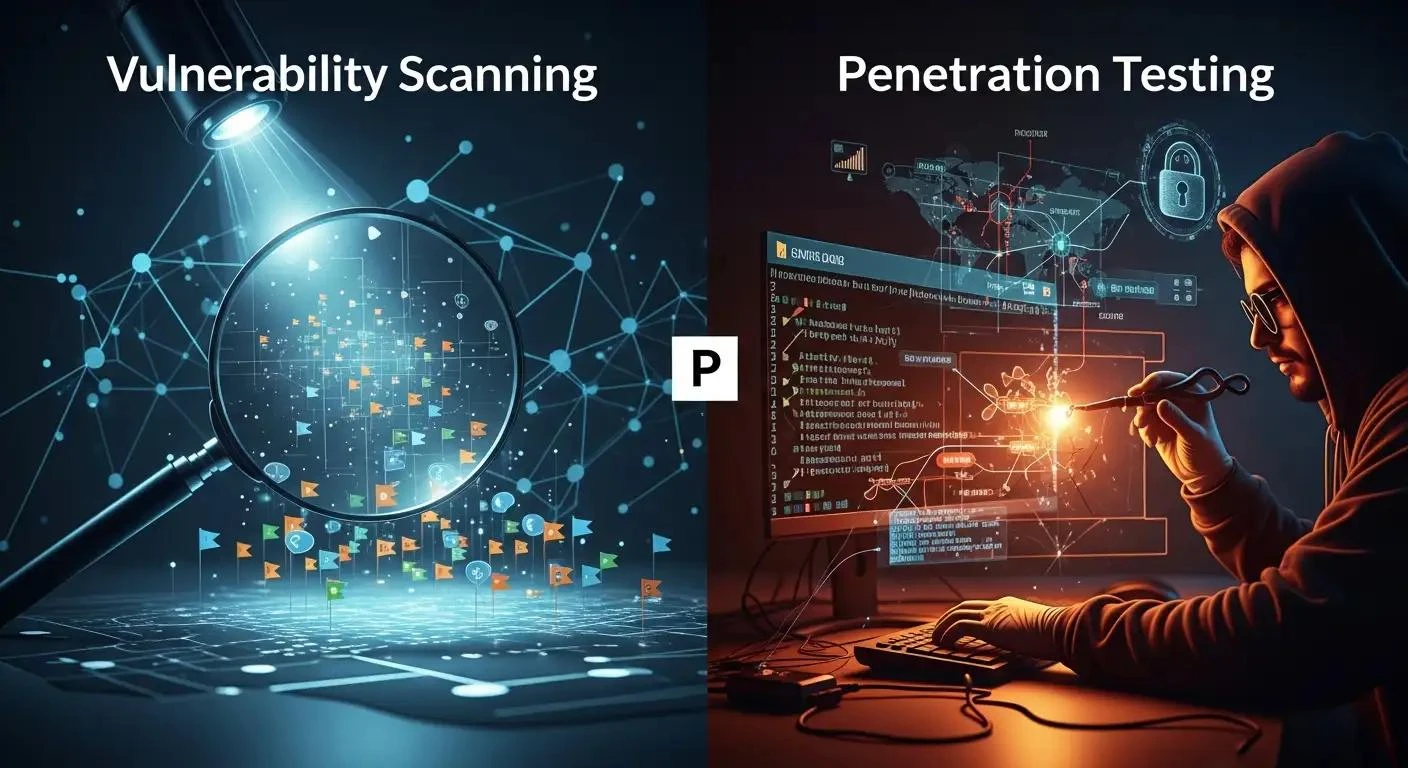
No. Continuous monitoring and penetration testing serve different purposes. Monitoring provides ongoing security visibility, while penetration testing actively assesses whether vulnerabilities can be exploited. Organizations should use both as part of a broader security strategy.
8. How does Sentinal help businesses with cybersecurity?
Sentinal is a 24/7 cybersecurity monitoring tool designed to help businesses maintain visibility into areas such as website security, domains, SSL, exposed services, vulnerabilities, leaked credentials, suspicious logins, email security, and third-party applications. Its monitoring capabilities depend on the configured modules.